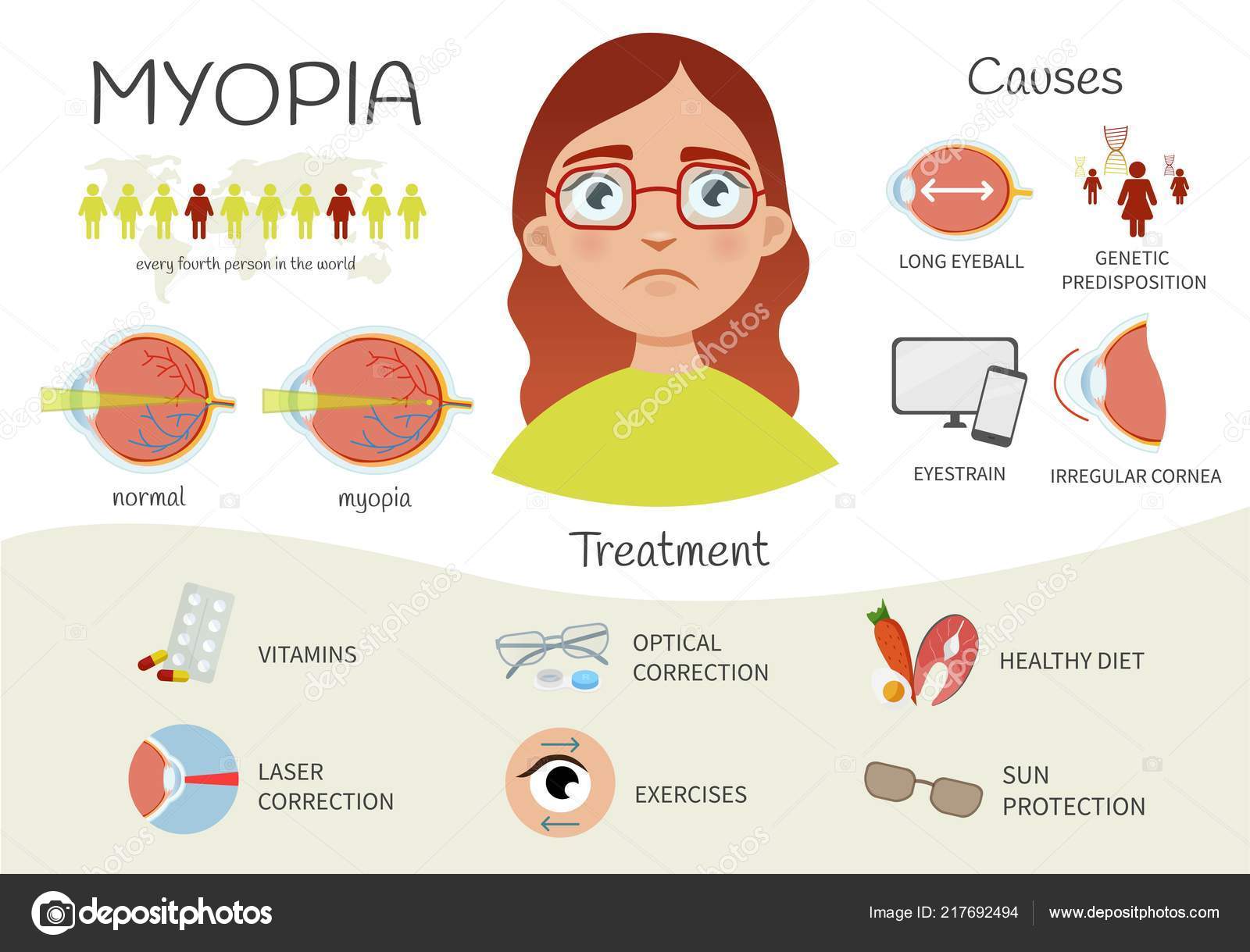
Lately, the world of vision correction has evolved dramatically, with a growing number of patients seeking alternatives to traditional LASIK surgery. A technique that is swiftly gaining acceptance from both patients and ophthalmologists is the Embedded Collamer Lens. This cutting-edge method offers a solution for those who may not be perfect candidates for LASIK, particularly those with high myopia or thin corneas. As interest in EVO ICL grows, it's important to examine what this procedure is about, its advantages, and how it relates to LASIK.
The EVO ICL procedure is notable not just for its efficiency but also for the unique advantages it offers patients. Differing from LASIK, which modifies the cornea, EVO ICL involves implanting a lens in the eye, permitting a customizable and reversible approach to vision correction. With the assurance of superior visual sharpness and minimal pain, more individuals are looking at EVO ICL as a viable option. In this complete guide, we will explore the specifics of the EVO ICL procedure, discuss its benefits and risks, and guide you in deciding if it’s the suitable option for your vision requirements.
EVO ICL Summary
EVO ICL lens, or collamer lens, is a well-known alternative to LASIK for correcting sight difficulties such as nearsightedness, hyperopia, and astigmatism. Long Beach ICL For Severe Myopia involves the placement of a slim lens behind iris and anterior to the natural lens of the eye, providing a solution for patients who may not be ideal candidates for traditional laser eye surgery. As a reversible option, the EVO ICL procedure offers flexibility and advantages for individuals seeking improved eyesight without the risks associated with corneal reshaping.
The benefits of EVO ICL include excellent visual acuity, less glare and halos in comparison to laser eye surgery, and a quick recovery time. Many patients value that EVO ICL can also handle higher degrees of myopia and irregular cornea than traditional laser procedures. Additionally, since the method does not involve altering the cornea, it maintains the eye’s structural integrity, making it a desirable choice for those interested in long-term consequences on eye health.
However, like any surgery, EVO ICL may come with possible side effects, including elevated intraocular pressure and issues related to lens placement. It is important for patients to thoroughly review their specific situations with a skilled surgeon, ensuring they understand both the advantages and disadvantages associated with the EVO ICL treatment. The rising demand of EVO ICL reflects a increasing awareness of its benefits and the need for tailored vision correction solutions.
Procedure and Recovery
The EVO ICL procedure is a non-invasive procedure designed to place a collamer lens inside the eye, providing an option to laser eye surgeries like LASIK eye surgery. During the procedure, the doctor creates a small cut on the edge of the cornea and gently inserts the lens between the iris and lens of the eye of the ocular structure. High Prescription Eye Surgery takes about 15 to 30 minutes per eye and is performed under local anesthetic, enabling a rapid return to routine activities.
After the procedure, patients may feel light unease, which typically subsides within a few hours. Vision clarity usually starts to improve within a 24 hours, with most people achieving substantial improvement in vision soon after the procedure. Post-operative aftercare includes post-operative appointments to monitor healing and ensure that no issues occur. The surgeon may advise eye drops to prevent infection and lessen swelling during the recovery process.
The recovery timeline for EVO ICL differs among individuals, but many return to their everyday activities after a short time. Full stabilization of vision can take a couple of weeks as the eyes adapt to the implanted lens. Unlike laser eye surgery, which can leave some patients experiencing dry eyes, EVO ICL may be a more appropriate option for those sensitive to such side effects. As with any surgery, adhering to the doctor's aftercare instructions is important for optimal results and minimizing potential issues.
Cost & Cost Considerations
In the context of EVO ICL surgery, one of the primary factors patients evaluate is the cost. The cost of the procedure can vary significantly based on different factors such as the surgeon's experience, the technology utilized, and geographic region. On average, the expense of EVO ICL can be greater than LASIK, usually falling between $three thousand and $$5,000 per eye. It is essential to receive a thorough breakdown of the costs involved, as this will usually include pre-operative consultations, the surgery itself, and post-operative appointments.
Payment options are available to help handle the costs of EVO ICL. Many clinics offer payment plans or financing through outside companies, allowing patients to spread the expense over time. Additionally, some health savings accounts (HSAs) or flexible spending accounts (FSAs) may be utilized to cover a portion of the costs. It's prudent to inquire about these options during consultations with potential surgeons to find a solution that fits your financial means.
Insurance coverage for EVO ICL can vary significantly, as it is usually considered an non-essential procedure. While many vision insurance plans may not pay for the full of the procedure, some may extend partial benefits or allow the use of health savings funds. Patients should check with their insurance provider to ascertain their specific coverage choices. Overall, understanding the cost factors of EVO ICL surgery is crucial for making an wise decision about vision correction.
Patient Experiences and Outcomes
Many individuals express significant happiness rates post EVO ICL surgery, frequently mentioning a quick return of sight and mild discomfort. The process usually takes approximately 15-30 units of time for eye, with many individuals noticing an prompt upgrade in their vision. Individuals cherish the clearness and grade of vision they gain, often characterizing it as clearer and more vibrant when compared with their prior lives with glasses or contact lenses.
Rehabilitation after EVO ICL procedure is typically swift, with a good number of clients returning to their regular lives in a couple of days or more. Subsequent appointments indicate steady findings, with the majority of patients attaining 20/25 vision or better. In feedback found in EVO ICL experiences, a common theme is the recent liberation from the burden of routine contact care, resulting in an increase in general quality of living.
While the technique has demonstrated successful for numerous clients, some clients do experience side effects such as halos or bright spots, notably at evening. Nevertheless, these issues are often transient and fade as the eyes heal. In summary, the positive outcomes and life-changing impact on clients' well-being support the increasing acceptance of EVO ICL as a trustworthy option to LASIK.